Fire Risk Assessment: A Practical Guide for Safer Buildings
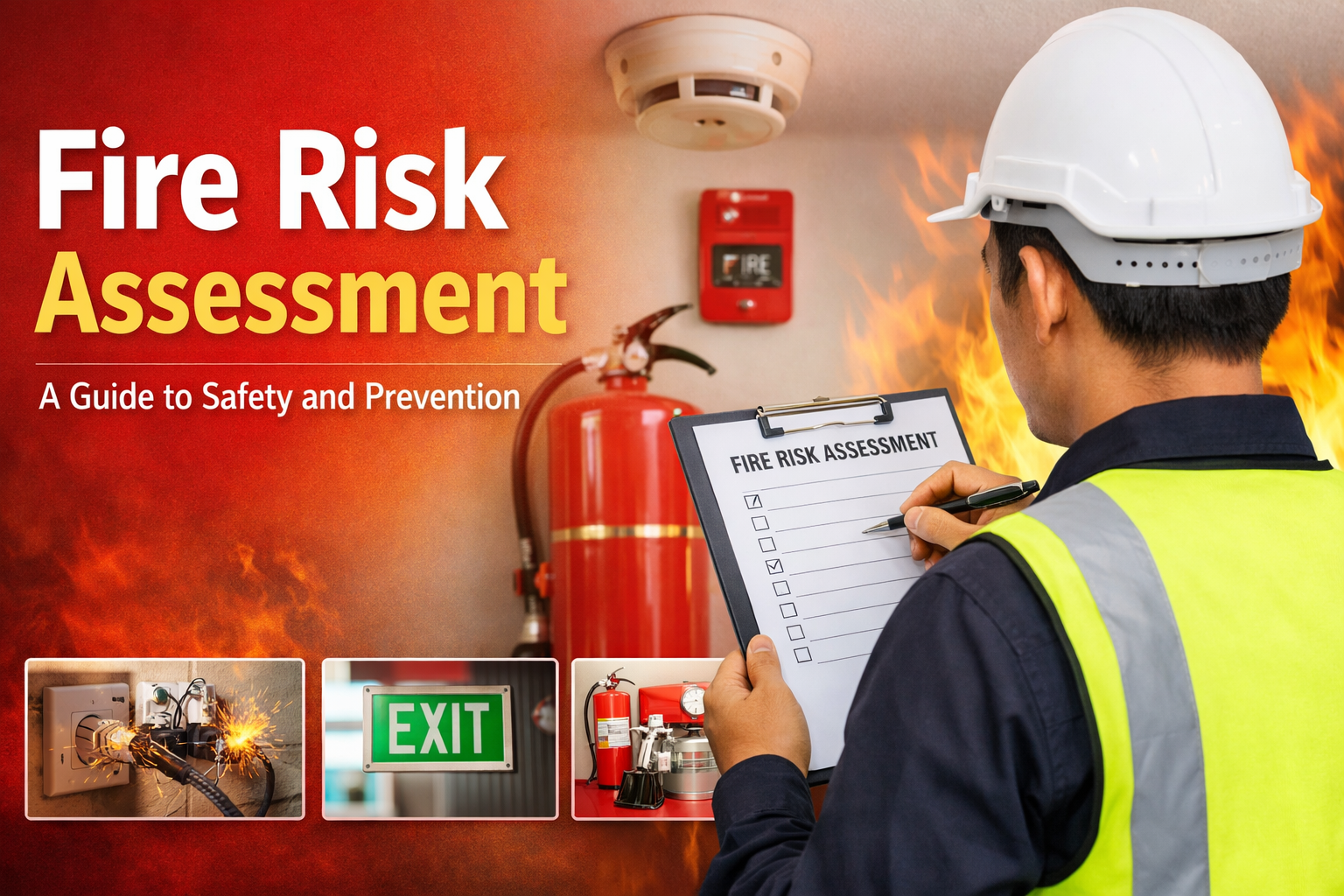
Fire is one of the most serious risks in homes, workplaces, and public buildings. Even a small incident can lead to injuries, property damage, business interruption, and in the worst cases, loss of life. This is why a fire risk assessment is an essential part of safety planning.
A fire risk assessment is a structured process used to identify fire hazards, evaluate the level of risk, and put practical measures in place to reduce the chance of a fire starting or spreading. When done correctly, it helps building owners, managers, and safety officers maintain a safer environment for everyone.
This article explains what fire risk assessment means, why it matters, the key steps involved, and how organizations can manage fire safety more effectively.
What Is a Fire Risk Assessment?
A fire risk assessment is a systematic review of a building or workplace to identify potential fire hazards and evaluate the risk to people and property. The goal is simple: prevent fires where possible and reduce harm if one occurs.
The assessment typically looks at several factors, including:
- Sources of ignition such as electrical equipment or heating systems
- Materials that could fuel a fire
- The people who may be at risk
- Fire detection and alarm systems
- Emergency evacuation procedures
Once these elements are reviewed, practical recommendations are made to improve fire safety.
In many countries, fire risk assessments are also a legal requirement for businesses, landlords, and organizations responsible for public buildings.
Why Fire Risk Assessment Is Important
Protecting People
The most important reason for conducting a fire risk assessment is to protect human life. Employees, visitors, residents, and customers all rely on safe environments. Identifying hazards early reduces the chances of injuries or fatalities during a fire emergency.
Reducing Property Damage
Fires can destroy buildings, equipment, and valuable assets. By managing risks properly, businesses can prevent costly damage and downtime.
Legal and Regulatory Compliance
Many fire safety laws require organizations to conduct regular risk assessments. Failure to comply can result in penalties, legal action, or closure of the premises.
Improving Emergency Preparedness
A proper assessment ensures that evacuation routes, fire alarms, and emergency procedures work effectively. This preparation can make a critical difference during an emergency.
Key Elements of Fire Risk Assessment
A comprehensive fire risk assessment usually focuses on several core areas.
Fire Hazards
Fire hazards include anything that can start or fuel a fire. These generally fall into three categories:
Ignition Sources
Examples include:
- Electrical equipment
- Faulty wiring
- Cooking appliances
- Heating systems
- Smoking materials
Fuel Sources
Materials that burn easily can fuel a fire. Common examples include:
- Paper and cardboard
- Wood and furniture
- Flammable liquids
- Chemicals and gases
- Textiles and fabrics
Oxygen Sources
Fire needs oxygen to spread. Ventilation systems, open windows, and certain chemicals can increase oxygen levels.
Identifying these hazards is the first step in controlling fire risks.
People at Risk
A fire risk assessment must consider everyone who may be present in the building. Some individuals may be more vulnerable and require additional protection.
People at higher risk may include:
- Elderly individuals
- Children
- People with disabilities
- Staff working alone
- Visitors unfamiliar with the building layout
Understanding who is at risk helps create more effective safety plans and evacuation procedures.
Fire Detection and Warning Systems
Early detection is critical in preventing fire-related harm. A fire risk assessment examines whether the building has reliable detection and alarm systems.
Key considerations include:
- Smoke detectors and heat detectors
- Fire alarm systems
- Manual call points
- Alarm audibility throughout the building
- Regular maintenance and testing
Properly functioning alarms ensure that people receive timely warnings and can evacuate quickly.
Fire Prevention Measures
Prevention plays a major role in reducing fire risks. During an assessment, inspectors review whether appropriate safety measures are already in place.
Examples include:
- Safe electrical installations
- Proper storage of flammable materials
- Housekeeping practices that prevent clutter
- Regular equipment maintenance
- Staff awareness of fire hazards
These measures significantly lower the chances of a fire starting.
Fire Protection Equipment
Fire protection equipment helps control fires before they spread.
Common equipment includes:
- Fire extinguishers
- Fire blankets
- Sprinkler systems
- Fire hoses
- Fire doors and fire-resistant walls
The assessment checks whether these systems are installed correctly, accessible, and maintained regularly.
The Five Steps of a Fire Risk Assessment
A practical fire risk assessment usually follows a structured process.
1. Identify Fire Hazards
The first step is to identify potential ignition sources, combustible materials, and oxygen sources that could contribute to a fire.
Inspect all areas of the building, including storage rooms, kitchens, electrical panels, and equipment areas.
2. Identify People at Risk
Next, determine who could be harmed if a fire occurs. This includes employees, residents, customers, and visitors.
Special attention should be given to vulnerable groups and people who may need assistance during evacuation.
3. Evaluate and Reduce the Risks
Once hazards and risks are identified, evaluate how likely a fire is to occur and how severe the consequences could be.
Then implement control measures such as:
- Removing unnecessary combustible materials
- Improving electrical safety
- Installing fire alarms
- Providing fire extinguishers
- Improving escape routes
4. Record Findings and Implement Safety Measures
Document the results of the fire risk assessment and outline the safety measures that must be implemented.
Written records help organizations demonstrate compliance and track improvements in fire safety.
5. Review and Update the Assessment
Fire risks change over time as buildings are modified, equipment is added, or occupancy changes.
Regular reviews ensure that the assessment remains accurate and that new risks are addressed promptly.
Common Fire Hazards in Workplaces
Many workplaces face similar fire risks. Some of the most common hazards include:
- Overloaded electrical circuits
- Improper storage of flammable chemicals
- Poor housekeeping practices
- Blocked emergency exits
- Faulty heating equipment
- Accumulation of waste materials
Addressing these issues can significantly reduce fire risk in commercial environments.
Who Should Conduct a Fire Risk Assessment?
A fire risk assessment should be carried out by a competent person with knowledge of fire safety principles.
This may include:
- Fire safety officers
- Health and safety managers
- Qualified fire risk assessors
- Building managers with appropriate training
In complex buildings such as hospitals, hotels, and industrial facilities, professional assessors are often recommended.
Best Practices for Effective Fire Safety Management
Organizations can strengthen their fire safety programs by following several practical steps.
Provide Staff Training
Employees should understand fire hazards, evacuation procedures, and how to use fire extinguishers.
Maintain Clear Escape Routes
Emergency exits must remain unobstructed and clearly marked at all times.
Schedule Regular Inspections
Routine inspections help identify problems such as damaged wiring, blocked exits, or faulty alarms.
Test Fire Safety Equipment
Fire alarms, extinguishers, and sprinkler systems should be inspected and tested according to safety regulations.
Promote Fire Awareness
A culture of safety encourages everyone to report hazards and follow safe practices.
Conclusion
Fire risk assessment plays a crucial role in protecting people, property, and businesses from fire-related dangers. By identifying hazards, evaluating risks, and implementing preventive measures, organizations can significantly reduce the likelihood of fire incidents.
A well-planned fire risk assessment is not just a compliance exercise. It is a practical tool that supports safer buildings, better emergency preparedness, and stronger safety management.
Regular reviews, staff training, and proper fire protection systems ensure that fire safety remains a continuous priority rather than a one-time task.


